
Aesthetics-
- Low-key lighting
- Chiaroscuro lighting- Italian term used in the visual arts to describe a dramatic contrast between darkness and light
- Desaturation
TV Crime Drama that Ive watched:
- Line of Duty
- Killing Eve
- You
- White House Farm- Serial killer/ True Crime genre/ Police Procedural
Perspective of the police- multistrand/flexi-narrative
- Life on mars
- A confession
- Luther
- Sherlock
- Unforgotten
- Fargo
- Criminal: UK
- Narcos
What are the codes and conventions of a crime drama?
- Crime scene- police tape, cordons,
- Murder/ Autopsy
- Police office, uniforms, cars
- Fast-paced chase scenes
- Police Interview/Confession
- Forensics teams/ outfits
A crime genre text is one which has crime (including the preparation for, or aftermath of) as their central construct.
- Iconography
- Settings
- Themes
- Stock characters
- Recurring situations- (murder, planning/committing the crime, cross/betrayal, beating up)
Mise-en-scene
Discuss the similarities and differences between the visual style of Life On Mars and The Bridge
similar
- highkey lighting in the lom- office scene and tb-crime scene(first scene)
different
- the bridge has deep contrast
- Colour palette- lom- warm ‘muddy’ toned jackets and cars, tb- cool toned dark blues
- Settings- lom- 70s streets, Manchester tb- reflection of scanadavian culture and ‘misty’ surroundings makes it mysterious
The similarities between Life on Mars and The Bridge include the occasional use of high key lighting to create dramatic effect as used in the first initial scene in The Bridge and in Life on Mars when Sam Tyler walks into the police office. There are also slow-motions used in both programmes to highlight a change in narrative and effect. The Bridge however uses cool toned blues and deep contrast in its cinematic scenes whilst also occasionally referring back to ‘The Bridge’ which is prominent in the first series. Life on Mars use warm toned and muddy browns in the scenes such as in the streets and cars. This reflects a sense of nostalgia with the 70s cop shows alongside referencing the setting of Manchester. The Bridge’s setting uses misty shots of The Bridge to reflect the tone of the dark culture surrounding the Scandinavian mood and style.
Remakes
The Bridge- The Tunnel (UK), The Bridge (US), The Bridge (HBO Asia)
Life on Mars- Life on Mars (US), Life on Mars (Korean), Dark side of the moon (Russian)
https://www.denofgeek.com/tv/the-bridge/39851/the-bridge-an-unforgettable-scandinavian-drama
How does TB and LoM exemplify Steve Neale’s concept that genres must have elements of both ‘repetition’ and ‘difference’?
Life on Mars to other crime dramas
Similarities
- Stock characters- detectives, serial killer
- Classical setting- station, urban city- Manchester
- Narrative- serial killer plot line
- Representations of women
Differences
- Past setting- nostalgia
- Overexaggerated stereotypes (Gene Hunt)
- Progressive views of protagonists
- Science-fiction element- time travel
- Surrealism- doctor on the Tv, hallucinations
- Intertextuality- 70s David Bowie ‘life on mars’ song, The Sweeney, ‘High noon’ poster, Wizard of Oz
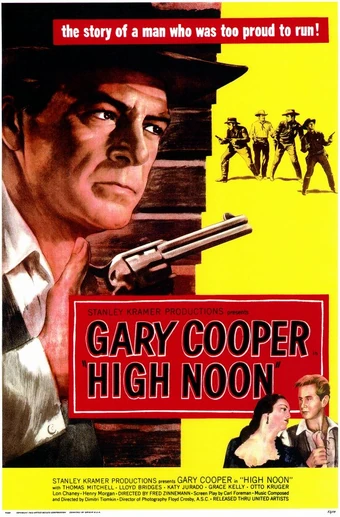
Similarities and Differences between other crime dramas- The Bridge
Similarities
- Nordic Noir- subgenre, ‘The Killing’
- Mysterious- setting: dark tones/low-key lighting
Differences
- Saga challenges gender norms/stereotypes and noir
- Slow paced, rise in tension, lack of dialogue-(visually showing the audience rather than telling them)
- Framing- feeling of isolation
- Political statement- nuclear family, as if the body was a piece of art
- Themes- Mental Health PTSD, Environment, Gender Neutrality
How does The Bridge and Life on Mars illustrate Steve Neale’s concept that genre must have elements of both repetition and difference?
Life on Mars illustrates Steve Neale’s genre theory by adapting and borrowing other elements of genre. This is shown by the modern day (2006) setting being completely disrupted by the car crash and Sam Tyler travelling back to 1973, this change in setting and narrative highlights the mise-en-scene shift as Sam sees the sign that is planning to build the highway where the accident occurred. Sam wakes up next to a classical 70s car highlighting this shift in narrative and time era as the modern audience would notice that his clothing was different, alongside the ‘stereotypical’ police officer outfit. This links to Neale’s theory because it shows that there are still elements of police procedurals whilst also incorporating a modern-day sci-fi twist to the show, with the audience questioning if he is in a coma. Likewise this change is also shown in The Bridge, the Nordic noir genre is exemplified through mise-en-scene and use of colour saturation and contrast, the noir genre is inspired by American 40s cinema yet The Bridge creates a slow pace to create a rise in tension for the audience.
Both TV shows use contextual references based on the geographical locations of the programmes to make statements surrounding societies’ attitudes and beliefs. Whilst Life on Mars comments on 70s attitudes towards women, personified by Gene Hunt, it also uses a compromising character such as Sam Tyler to highlight the change in societies views from that time period. The Bridge uses a lesbian victim in the mannequin ‘nuclear family’ to suggest that the views on homophobia is still prominent in modern day society- this is also represented through the character of Hanne, a more politically-incorrect detective who challenges Saga.
Post-modernism
Argues that what is encoded is real, but offers a hyper-reality. (chocolate orange example).
Police stations: How do we know its not an exaggerated version of what it is? We based what we know about police stations on tv representations
Intertextuality- acknowledgement of existing media texts
hyper-real version of reality
Life on Mars:
hyper-real version for Sam: modern day 2006
Simulacra: 70s world
How far is The Bridge a post-modern text?
- Nordic Noir Genre: Implicitly referencing American 40s cinema
- The diegetic world of The Bridge is a hyper-reality- Sweden and Denmark from a mediated perspective, linked to stereotypical national traits and cultural values
- Is Saga’s professional world hyperreal? Based on our perception of an institution (police force) that is itself a constructive ‘simulacrum’ rather than experienced first hand. How do we know that the olice force is like this?
- It shares similarities of style with other Nordic noir
- There are other intertextual references- e.g. stylistically it is heavily influenced by film noir, its female focus and mood reflect the bleakness of dramastics such as Ibsen and Strindberg, its framing and mise-en-scene
- It is ambiguous in terms of its plotlines and moral compass
- There are anti-realist elements within the narrative-e.g. Henrik’s “family”- compared to Life on Mars ‘fake’ world
- The creation of Saga as our heroine is ironic and self-reflextive- “high functioning socio-path”- Sherlock Holmes?
Binary Opposites- Levi-Strauss
Is the narrative driven by binary oppositions?
- Saga vs Hanne
- Sweden vs Denmark
- Nuclear Family vs alternative family
- Social awareness vs Social Unawareness
- Past vs present
- Illusions vs reality
- Light vs darkness
- Tact vs outspokenness
- Secrecy vs openness
- Entrapment vs freedom
- Anxiety vs calm
- Vengeance vs justice
- Child vs parent
- Duty vs personal feelings
- Domestic vs professional
- Family vs isolation
- Loyalty vs betrayal
Story arcs/ Character arcs
Character-
- Saga- her learning cruve in terms of relationships, her backstory, her function in the narrative
- Saga’s family and relationship with her mother
- Pettersen’s and Lillian’s relationship
- The partnerships and team dynamics (e.g. Hanne)
Story-
- The case- who killed Halle Anker? Why was the family scene set up?
- Who is Alexsandr and what is his role in the narrative?
- What happened to Henrik’s wife and children?
 Blog
Blog 